
Live on What You Grow by Building Living Soil!
Practical teaching on soil biology, biochar, and proven fertility building methods for living on what you grow AND preserve from your garden.
This is NOT an AI generated website!
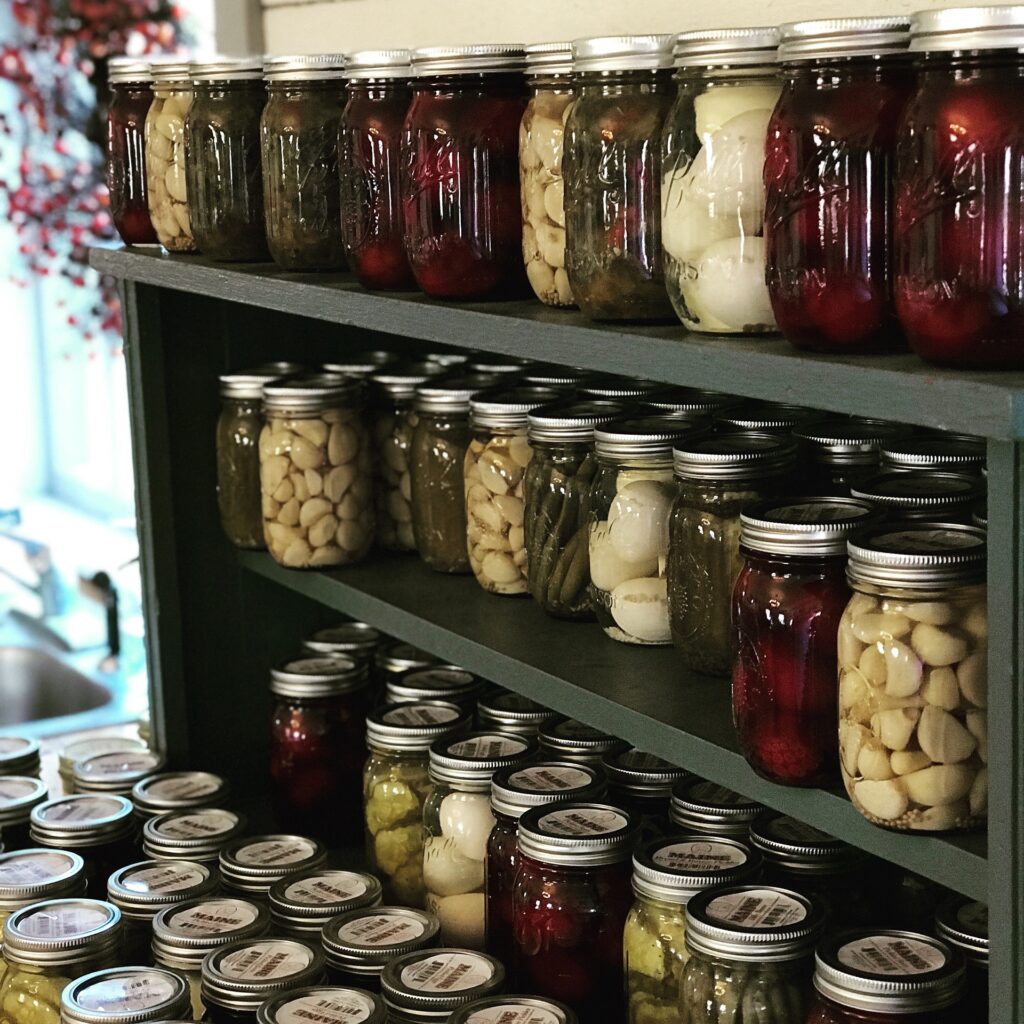
You’ve probably never needed to live solely on what you grew in your garden… and you may never HAVE to… but what if a day comes when you DO HAVE to? That’s not the time for learning it! It takes years to learn to grow and preserve your harvest, and years of building soil fertility to make it even possible!
It IS possible to live on what you grow, even on a small plot of land, but only when you build SUPER soil fertility and use succession planting so something is always growing in any given space. You’ll start some seedlings indoors early so when planting season arrives, you can set out 3-4 week old seedlings instead of planting seeds.
For example; start zucchini seeds indoors about three weeks BEFORE harvesting your onions, and set the already somewhat large plants in the bed to replace the onions on the same day you harvest them!
You can grow a huge amount of food in a small space by implementing this plan!
THE FIRST STEP- Build long-term soil fertility!
No matter where you are in your Live on What You Grow journey, building soil fertility is your next step… or maybe I should say, your FIRST STEP, if you’re beginning with the idea of living only on what you grow with NO other food from an outside source. The second step is to educate yourself (and take notes) by watching the videos on our YouTube channel. There’s also a section of great educators there for you to watch as well!
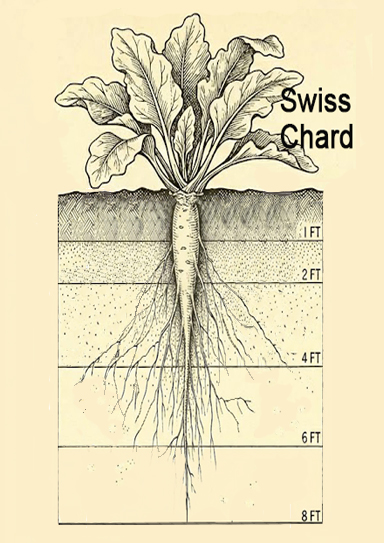
Compost first
Composting is the most important action you can take starting today—turning scraps, grass clippings, food waste, and leaves into rich garden fertility.
Soil microbiology
Learn what the BIG FOUR… bacteria, fungi, protozoa, and beneficial nematodes (along with micro-arthropods and other soil life) do for plants— and how to support them with simple practices.
Biochar creates long-term soil fertility
Make, charge, and apply biochar to build a habitat for microbes and long-term nutrient cycling. Also, for increasing your soil’s water, air, and nutrient capacity, known as Cation Exchange Capacity, or CEC. You’ll learn about it as we continue.
Soil Aeration
Your soil should contain about 15-25% air by volume for proper oxygen exchange for plant roots and soil microorganisms. I’ll show you how to test this easily and accurately.
Learn, practice, and get support-
Get started anywhere: one small plot, patio pots, or even a windowsill. Get started now with what you have to begin mastering the principles! You’ll continually be adding more later as your knowledge increases!
What gardeners are saying
Real testimonies from a biology-first approach to soil life and our food preservation methods from our YouTube channel.
★★★★★
“I finally understood what my soil needed. Composting and a few simple changes made my beds noticeably more productive.”
★★★★★
“Your biochar guidance helped me avoid mistakes. My soil holds moisture better and plants stay greener through heat.”
★★★★★
“Your videos gave me confidence to can and dehydrate. We’re eating from the pantry more often now.”
Quick Q&A to get you started
Simple guidance for your first steps—no matter your space or experience level.
Do I need a big garden to start?
No. You can start with a small plot, patio pots, or even a windowsill—soil biology principles scale to any size. Start small and learn the processes first.
What’s the first thing I should do for better soil?
Start composting. It’s the fastest, most reliable way to add biology and fertility. The second is to start making and adding high-quality biochar.
What is “living soil”?
Soil rich in microbes and organic matter, where nutrient cycling happens without much input from you in the form of amendments. The best example of this is Terra Preta in South America, which gets more fertile every year, and no one’s adding anything to it!
Is biochar safe to use?
Yes—when it’s made properly and charged before use. Charged BIOCHAR supports microbes and releases nutrients as opposed to CHARCOAL, which binds and ties up nutrients.
How do I preserve extra harvest?
Start with one method—dehydrating, canning, fermenting, or freezing—then build a routine as you learn. Then use what’s best for you, but get a working knowledge of all four.
How can I learn step-by-step?
Visit the Getting Started section and also watch our YouTube videos for practical walkthroughs.